Home Energy Use
Fuel and energy prices in Ireland have once again become a major concern for households in 2026. Rising global tensions, supply disruptions, and domestic policy changes are pushing up the cost of petrol, diesel, heating oil, and electricity. These shifts don’t just affect motorists—they ripple through the entire economy and directly influence how much it costs to heat and power Irish homes.
This article explores the latest fuel price trends in Ireland and how they impact household energy consumption, helping homeowners understand what to expect in the coming months.
The Current State of Fuel Prices in Ireland
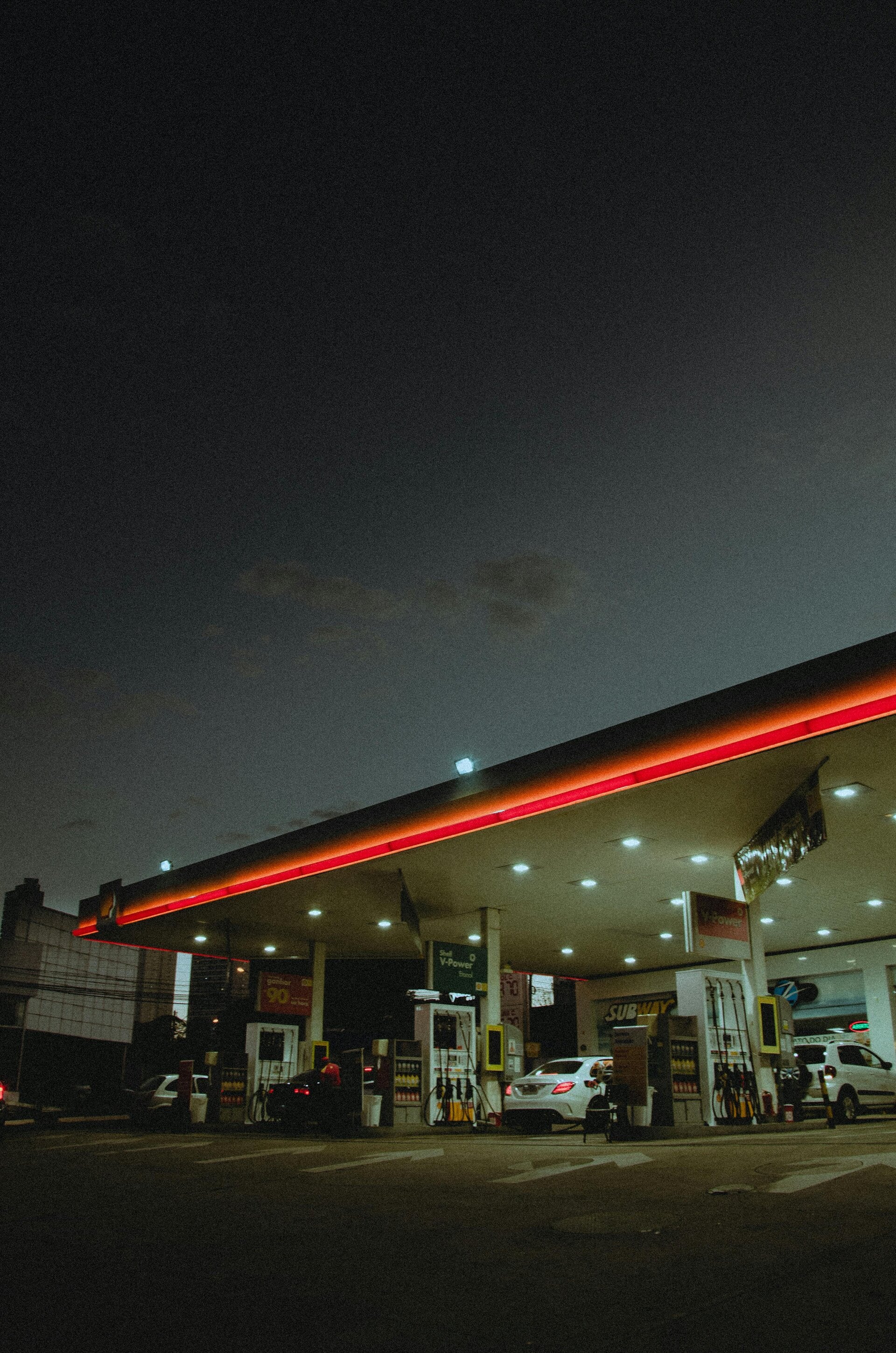
As of early March 2026, fuel prices across Ireland remain high compared to the European average.
-
Petrol (Euro 95): approximately €1.74 per litre
-
Diesel: approximately €1.74 per litre
-
These prices are about 10.6% higher than the EU average. ()
Recent global events have pushed prices even higher at some filling stations, with diesel reaching as much as €1.97 per litre in some areas. ()
One of the biggest drivers of the latest price spike is geopolitical tension in the Middle East, which has disrupted energy markets and global fuel supply routes. Shipping routes through the Strait of Hormuz—a key global oil and diesel transport corridor—have faced disruption, creating uncertainty in international energy markets. ()
These increases are not limited to transport fuels. They also influence the cost of home heating oil, gas, and electricity, because many energy systems rely on the same global energy supply chains.
The Cost of Electricity and Gas in Irish Homes
Electricity remains one of the most expensive utilities for Irish households.
-
The average electricity bill in Ireland is around €1,729 per year, or roughly €144 per month for a typical household using about 4,200 kWh annually. ()
-
Electricity prices are still 70–80% higher than pre-Ukraine war levels. ()
Energy companies have also introduced incremental increases. For example, some providers raised electricity unit rates by 13.5% and standing charges by about 12%, adding around €18 per month to the average household bill. ()
The result is a growing financial strain on households. In fact, nearly 320,000 households in Ireland are currently behind on their energy bills, reflecting the ongoing cost-of-living crisis. ()
Why Fuel Prices Affect Home Energy Costs
Many people assume fuel prices only impact drivers, but the connection to home energy use is significant.
1. Heating Oil and Gas Prices Rise with Oil Markets
Heating oil prices tend to track global crude oil trends. When oil prices spike due to geopolitical conflict or supply shortages, heating costs rise quickly.
Recent reports show that 500 litres of heating oil has jumped dramatically in price, reaching nearly €800 in some regions after global market disruptions. ()
For homes relying on oil boilers, this can translate into hundreds of euros in additional annual heating costs.
2. Electricity Prices Are Linked to Gas
Ireland’s electricity system still relies heavily on natural gas generation. When gas prices increase, the cost of producing electricity also rises.
Experts warn that electricity costs could climb significantly if global gas markets tighten further. Some projections suggest electricity could increase from around €0.36 per kWh to as high as €0.60 per kWh in extreme scenarios. ()
This makes electricity usage—heating, cooking, and appliances—more expensive for households.
3. Transport Costs Increase the Price of Everything
Fuel prices affect the cost of transportation and logistics across the entire economy.
When diesel prices rise:
-
food transport becomes more expensive
-
delivery costs increase
-
retail goods become more expensive
These indirect effects increase overall living costs, leaving households with less disposable income to cover energy bills.
Government Policies That Influence Energy Prices
Energy prices in Ireland are shaped not only by global markets but also by national policy.
Carbon Tax Increases
Ireland’s carbon tax is gradually increasing to discourage fossil fuel use. By 2026 the tax is expected to reach €71 per tonne, raising the cost of oil, gas, coal, and peat. ()
While designed to encourage cleaner energy adoption, it also contributes to higher short-term energy bills.
Possible Government Support
In response to rising prices, there have been calls for government intervention, including:
-
reinstating energy credits for households
-
introducing fuel price caps
-
expanding fuel allowances for vulnerable households
These measures are being discussed as energy costs continue to rise due to global tensions. ()
How Rising Fuel Prices Will Change Energy Use at Home
Higher energy costs often change how people consume energy.
Reduced Heating Usage
Many households lower thermostat settings or heat fewer rooms to save money.
Energy-Efficient Appliances
Consumers increasingly invest in energy-efficient appliances and insulation to reduce electricity usage.
Switching to Renewables
Rising fossil fuel prices are accelerating the shift to:
-
heat pumps
-
solar panels
-
electric vehicles
These technologies reduce long-term exposure to volatile energy markets.
Smarter Energy Consumption
New dynamic electricity tariffs expected in 2026 will allow households to save money by using electricity during off-peak times when prices are lower. ()
The Outlook for Irish Energy Prices
Ireland remains vulnerable to global energy shocks because it imports much of its fuel. While inflation is expected to ease to around 2% in 2026, energy markets remain volatile and sensitive to geopolitical developments. ()
If global conflicts continue to disrupt supply chains, Irish households may face continued pressure on fuel and energy bills throughout the year.
Conclusion
Fuel prices in Ireland are shaped by a complex combination of global politics, supply chains, environmental policy, and domestic energy infrastructure. While current petrol and diesel prices hover around €1.74 per litre, the broader impact extends far beyond the forecourt.
Rising fuel costs increase the price of electricity, heating, and everyday goods, making energy management at home more important than ever. For Irish households, improving energy efficiency and adapting consumption habits will be key to coping with the changing energy landscape in 2026 and beyond.